There's a story most of us lived through without realizing it.
In the 1990s, email was supposed to make life easier. For a moment, it did. Then the inbox that once held a dozen messages started holding a hundred. Evenings stopped being evenings. Sundays stopped being Sundays. Nobody decided this would happen. It just became normal, quietly, one unanswered message at a time.
Email didn't just change how we worked. It changed how much work was acceptable to demand from a human being.
AI is running the same play. And most of us are still in the part of the story where it feels like a gift.
Right now, AI feels like a superpower. You write faster, research in minutes what used to take hours, and produce more with less visible effort. For a while, that feels genuinely great.
In a study published in the Harvard Business Review, researchers tracked employees at a global firm for eight months, uncovering a phenomenon they've termed 'workload creep'. Workers moved faster, so expectations rose. Higher expectations meant more reliance on AI, more reliance meant wider scope, and wider scope meant more work. The cycle fed itself with no natural stopping point.
A 2024 Upwork study of 2,500 workers confirmed it. 77% said AI had increased their workload, not reduced it. Most felt busier than before.
Think about the last time you said you couldn't do something because it wasn't your area. That exit is quietly closing.
Once a tool exists that can help you draft a legal clause or analyse a dataset, the assumption shifts. You have the tool, so you have the capability. You have the capability, so you have the responsibility. One day you're just expected to do things that used to belong to someone who trained for years to do them well.
Speed without real expertise produces errors that look fine until they don't. An invoice goes out wrong, a client gets billed twice, and the correction takes three weeks and a strained relationship to fix. There's often no one around to catch what slips through.
Can AI truly make us more efficient if we don't account for the people using it? When workload grows but support stays the same, where does the extra pressure go? How long can employees absorb it before burnout sets in — and what happens to all those efficiency gains when it does? Are companies measuring the right things when they track AI's impact? These are the questions worth asking before the cost becomes too high to ignore.
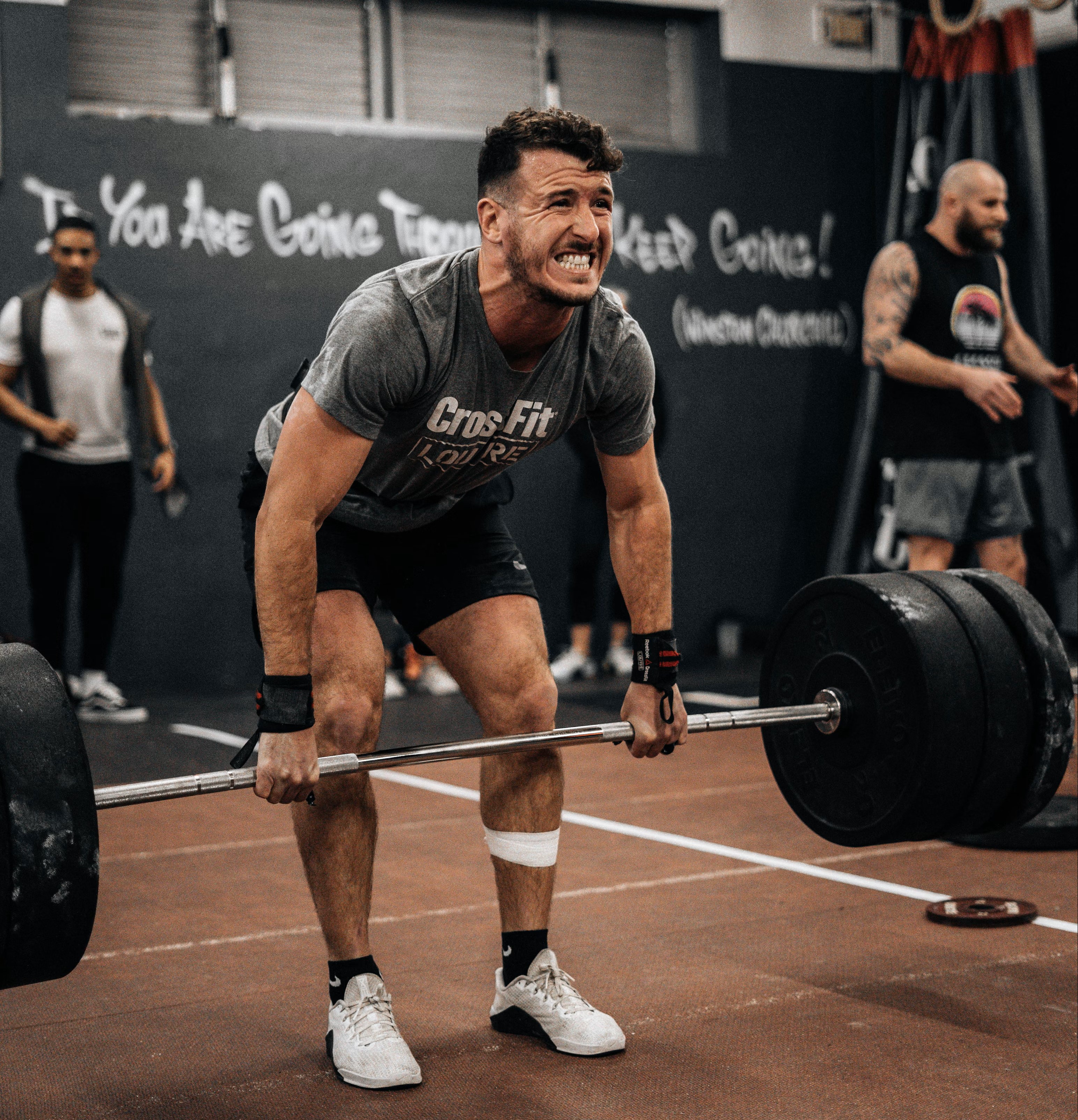
These are the questions worth asking before the bar becomes too heavy to lift.
References:
Upwork Research Institute – Employee Workloads Rising Despite Increased C-Suite Investment in Artificial Intelligence (2024)
Aruna Ranganathan & Xingqi Maggie Ye – AI Doesn't Reduce Work, It Intensifies It – Harvard Business Review (2026)